

Table of Contents
Open your wardrobe right now. Chances are, at least 30% of what hangs there has not been worn in over a year. It might be a lehenga from a cousin's wedding, a blazer bought for a client meeting, a designer kurta that still has the tags on—beautiful, expensive, and completely idle. For most of us, this is simply accepted as the cost of dressing well for life's occasions. But what if those idle garments could generate a return?
Wardrobe monetisation is the practice of converting unused or underused clothing into income. It is no longer a niche concept. With India's online clothing rental market growing rapidly, the sharing economy firmly embedded in urban lifestyles, and Mumbai's fashion-forward population consistently seeking affordable access to quality pieces, the opportunity to earn from your wardrobe has never been more accessible or more lucrative.
As per the report published on Research and Market; the online clothing rental market is on track to nearly double, from USD 2.4 billion today to USD 4.9 billion by 2033. Asia-Pacific leads that growth, with India driving much of it.
6 Ways of Wardrobe Monetisation

Here are six proven methods to make it happen.
Way #1: Rent Your Wardrobe Through a Fashion Rental Platform
The most powerful and increasingly popular form of wardrobe monetisation is renting out your clothes rather than selling them. When you sell a garment, you receive money once, and the item is gone. When you rent your wardrobe, a single piece can generate income multiple times—month after month, season after season—while remaining yours.
Ethnic wear is the undisputed leader in this space. In 2024, ethnic clothing accounted for 55.3% of the entire online clothing rental market globally, driven precisely by the Indian reality that occasion wear is expensive, rarely repeated, and highly sought after by others who face the same challenge. A lehenga worn once to a wedding, a sherwani worn to a relative's reception, a saree purchased for a festival and stored away; these are exactly the garments rental seekers are looking for.
How it works in practice: you list your garments on a platform, set a rental duration and price, and earn a share of the rental fee each time someone borrows your piece. The platform typically handles logistics, payment, and in many cases, dry-cleaning between rentals, making this genuinely passive income once your items are listed.
What Garments Rent Best?
• Occasion wear: lehengas, sherwanis, sarees, anarkalis, Indo-western fusion sets
• Designer and branded western wear: gowns, blazers, structured dresses, co-ord sets
• Wedding-adjacent pieces: bridesmaid outfits, reception looks, mehendi co-ords
• High-quality accessories: statement jewellery, clutches, embroidered dupattas
Way #2: Resell on Fashion Recommerce Platforms
For garments you are ready to part with permanently- clothes that no longer fit, styles you have outgrown, or pieces that have simply stopped serving your aesthetic; reselling is a strong wardrobe monetisation strategy. India's recommerce market has matured significantly, with a growing ecosystem of platforms enabling structured, safe peer-to-peer fashion resale.
The key to maximising your resale return is presentation. Clean, well-photographed garments with accurate condition descriptions and honest brand information consistently outperform poorly listed items. Shoot in natural light against a neutral background, mention fabric, size, and any wear details, and price competitively by checking similar listings first.
Best Categories for Resale in Mumbai
• Branded western wear: International and Indian designer labels hold strong resale value. Buyers recognise brand names and are willing to pay a fair price for authenticated pieces.
• Vintage and statement pieces: Mumbai's fashion community has a strong appetite for unique finds. Vintage-inspired silhouettes, retro prints, and one-of-a-kind pieces often fetch above-average prices.
• Barely worn occasion wear: A lehenga or formal gown worn once but in pristine condition is highly attractive to resale buyers seeking quality at a lower price point.
Way #3: Consign Your Clothes with a Curated Store
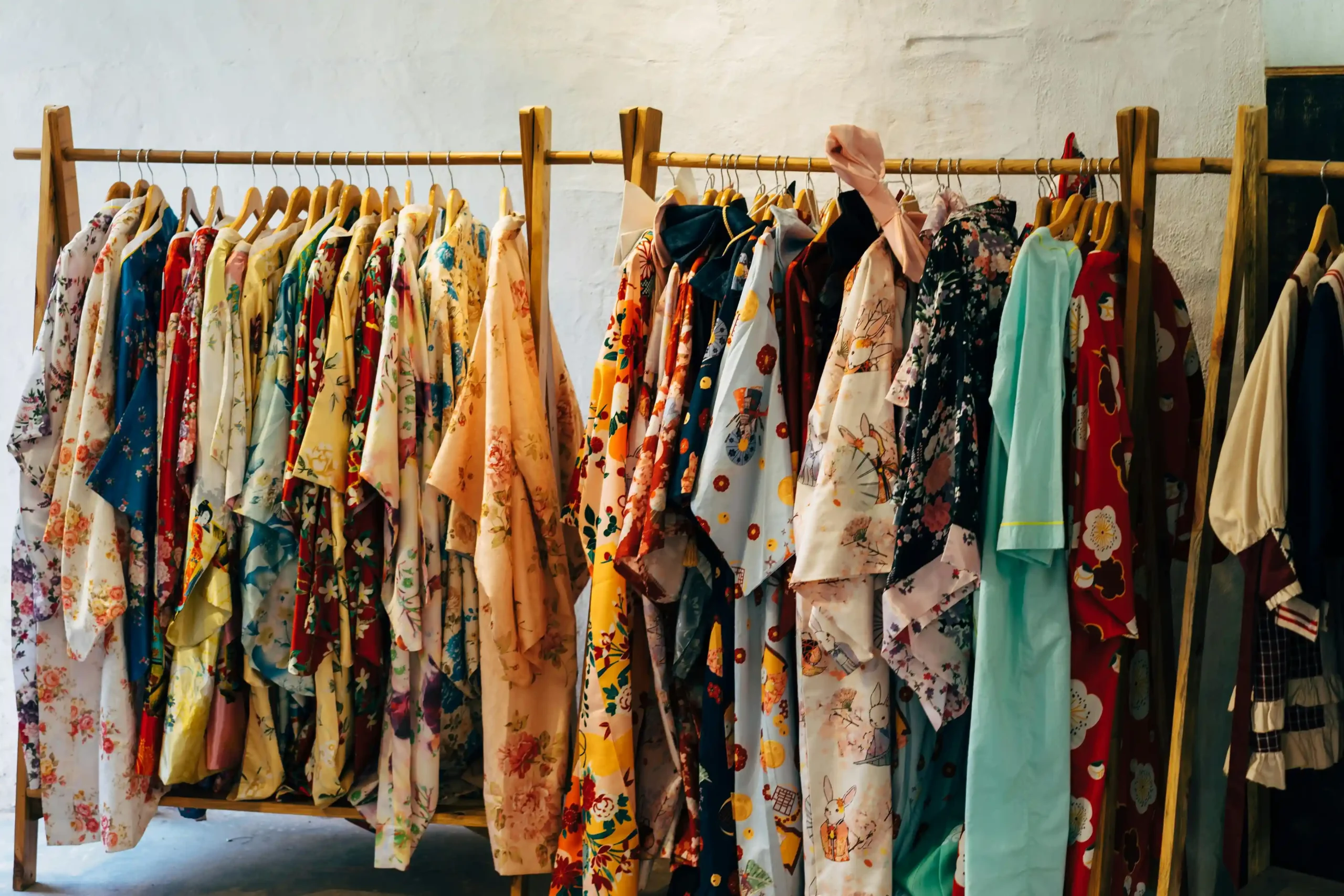
Consignment is wardrobe monetisation on autopilot. Rather than managing buyer communications, pricing, and shipping yourself, you hand your garments to a curated store or platform that sells on your behalf—in exchange for a percentage of the sale price. You do nothing beyond dropping off (or shipping) your pieces; the store does the rest.
For Mumbai residents, consignment through a fashion-focused thrift or resale store is especially convenient, and the curated nature of these stores often attracts a buyer base willing to pay more than standard peer-to-peer platforms. The trade-off is that your payout per item will be lower than a direct sale—but the effort required is significantly less, and items that might take weeks to sell individually often move faster through a store's established audience.
Tip: Focus on garments with clear brand recognition, unique design, or strong condition for consignment. Generic fast fashion rarely commands a worthwhile consignment payout.
Way #4: Leverage Social Media as a Peer-to-Peer Sales and Rental Channel
Instagram, Facebook Marketplace, and WhatsApp communities have quietly become some of the most effective wardrobe monetisation channels available, particularly for Mumbai's style-conscious, digitally native population. Without any platform fee, you can photograph garments, post to your existing following or niche fashion communities, and negotiate directly with interested buyers or renters.
Instagram Stories and Reels are particularly effective: a quick 15-second video of a garment, showing fabric, movement, embellishments, and condition, performs dramatically better than a static photograph. Add relevant hashtags (Mumbai fashion, pre-loved clothes, rent outfit Mumbai) and tag your location to reach local buyers who can collect in person, avoiding shipping complications entirely.
For recurring income, some Mumbai fashion enthusiasts have built small but consistent rental micro-businesses directly through Instagram; creating a simple highlight reel of available pieces, posting a rental price list, and coordinating rentals through DMs. If you have ten to fifteen quality occasion pieces, this approach can generate meaningful monthly income with very little overhead.
Way #5: Organise a Wardrobe Swap or Community Sale
Wardrobe swaps occupy a unique space in wardrobe monetisation, not because they always generate cash directly, but because they allow you to convert unwanted garments into wanted ones, effectively refreshing your wardrobe at zero cost while clearing pieces that would otherwise sit idle indefinitely.
Mumbai's apartment-living culture makes swaps especially practical. A building society swap, a society or building community sale, a swap event among friends and colleagues, these are low-effort, high-reward events. Combine a swap with a small curated sale of your better pieces and you can walk away with both a freshened wardrobe and real cash in hand.
For a community sale, the practical steps are simple: photograph and price your pieces in advance, create a shareable digital catalogue (even a basic WhatsApp or Instagram folder), and promote to your network at least a week before the event. Accept UPI payments to streamline transactions. Some Mumbai-based style groups on Facebook and WhatsApp organise rolling virtual swaps and sales that run continuously—a low-effort way to keep monetising incrementally.
Way #6: Donate Strategically And Benefit Through Tax or Exchange Programmes

Not every wardrobe monetisation move is a direct financial transaction. For garments too worn for rental or resale, strategic donation can create real indirect value. Several Indian fashion brands and retailers run garment exchange programmes where you bring in old clothing and receive store credit, vouchers, or discounts on future purchases. This effectively monetises clothes that would otherwise have zero return, turning a discarded piece into purchasing power.
From a tax perspective, donations to registered charitable organisations are eligible for deduction under Section 80G of the Income Tax Act. While clothing donations are typically assessed at book value rather than retail price, high-value pieces donated with proper documentation to registered NGOs can contribute meaningfully to your annual tax planning. Combined with the satisfaction of conscious, sustainable disposal, this makes strategic donation a genuinely valuable sixth pillar of wardrobe monetisation.
How Vault's Space Bazaar Helps You Rent Your Wardrobe and Earn in Mumbai

Of all the wardrobe monetisation strategies above, renting your wardrobe through a trusted platform consistently delivers the best combination of income, simplicity, and garment preservation—and for Mumbai residents, Vault's Space Bazaar is the platform built precisely for this purpose.
As Mumbai's dedicated online fashion rental platform, Space Bazaar connects garment owners with a curated community of renters who are actively seeking exactly the kind of occasion wear, designer pieces, and quality garments that tend to sit unused in most wardrobes. Whether it is a lehenga purchased for a family wedding, a designer gown worn once to a gala, a sharply tailored sherwani or a contemporary saree—if it is sitting idle, Space Bazaar gives it a second life and gives you a return on your original investment.
The process of listing your garments with Space Bazaar is straightforward: your pieces are assessed, photographed, and made available on the platform where Mumbai's fashion rental seekers can browse and book. You retain ownership throughout—your garments come back to you between rentals, cleaned and maintained—while generating income each time they are worn. For garment owners, this transforms a one-time purchase into a recurring asset.
In a city where closets are limited, budgets for occasion dressing are stretched thin, and sustainability is increasingly a conscious priority, Space Bazaar represents the smartest possible approach to wardrobe monetisation: your clothes earn for you, your renters dress beautifully for less, and every rental is a step away from the cycle of buy-once-discard that defines fast fashion at its worst.
Pro Tips to Maximise Your Wardrobe Monetisation Returns
- Audit before you act: Categorise your unworn clothes into three groups—rent-ready, resale-ready, and discard. Different pieces suit different monetisation routes.
- Photograph everything properly: Natural light, clean background, multiple angles. A well-photographed garment consistently earns 40–60% more than a poorly presented one.
- Price based on condition, not sentiment: The fact that you paid ₹15,000 for a piece does not mean it will rent or resell at that value. Research comparable listings before pricing.
- Maintain garments between rentals: Dry-cleaned, properly stored garments retain their value and continue generating income. Poorly maintained pieces depreciate quickly.
- Think seasonally: Wedding season (October–February in Mumbai) and festive periods drive peak rental demand. List occasion wear a few months before these windows to capture early bookings.
Your Wardrobe Is an Asset—Start Treating It Like One

The clothes hanging in your wardrobe right now are not just fabric. They are capital—invested, stored, and waiting to be deployed. Wardrobe monetisation is simply the decision to deploy that capital rather than leave it idle.
Whether you choose to rent your wardrobe through a platform, resell through recommerce channels, consign with a curated store, or leverage your social media following for direct sales, the essential principle is the same: every unworn garment is a missed earning opportunity. Mumbai's fashion economy is large, active, and hungry for exactly the kind of quality occasion wear that most wardrobes hold in abundance.
Vault's Space Bazaar makes the most rewarding form of wardrobe monetisation—renting your wardrobe—as simple and seamless as possible. List your pieces, earn every time they are worn, and let your wardrobe work as hard as you do.
FAQs
What is wardrobe monetisation?
Wardrobe monetisation is the practice of generating income from clothes and accessories you own but no longer wear regularly. Methods include renting, reselling, consigning, and participating in organised swaps or exchange programmes.
How do I rent my wardrobe in Mumbai?
The simplest route is to list your garments with a Mumbai-based fashion rental platform like Space Bazaar. You provide your pieces; the platform handles discovery, bookings, and logistics, and you earn a rental share each time your garment is borrowed.
Which clothes earn the most through wardrobe monetisation?
Occasion wear, such as lehengas, sherwanis, designer sarees, gowns, and formal Indo-western sets, has the highest rental demand in India. Designer-branded western wear and well-maintained accessories also perform strongly in both rental and resale markets.
Is renting out clothes safe?
When done through a reputable platform, yes. Established fashion rental platforms carry insurance, security deposits, and clear return policies that protect garment owners. Direct peer-to-peer rentals carry more risk and require careful vetting of renters and clear rental agreements.
How much can I earn by renting out my wardrobe?
Earnings vary by garment quality, demand, and frequency of rental. A high-quality lehenga, for example, might rent for ₹2,000–₹5,000 per occasion. If it rents four times in a year, it earns ₹8,000–₹20,000, often exceeding its original purchase price over two to three years of active listing.
Leave a Reply