
Clothing storage ideas: treat your wardrobe like assets
Your wardrobe should not feel like a dusty, overflowing problem. Smart clothing storage ideas help preserve kurtas, sarees, blazers, festivewear, heirloom pieces and seasonal clothing so they last longer, stay fresher and remain useful across multiple seasons.
Why your wardrobe should be treated like an asset
You know how it feels when your wardrobe overflows with trendy kurtas and sarees from last Diwali, but half the pieces get wrinkled, dusty or forgotten before you wear them again.
Efficient clothing storage ideas change that. Instead of treating clothes as disposable clutter, treat your wardrobe like a set of assets: pieces with monetary, emotional, styling and rental value.
Preserve value
Protect couture, vintage pieces, festivewear and heirloom garments from damage.
Save closet space
Offload bulky seasonal and occasionwear from everyday wardrobes.
Reduce overbuying
Inventory and storage clarity stop duplicate purchases and impulse shopping.
Retain resale value
Well-stored garments are easier to resell, rent, preserve or restyle later.
What this guide covers
The asset mindset: fewer clothes, better care, smarter use
Historically, families valued clothing alongside jewellery and household assets because garments could last for generations. Today, fast fashion tempts disposability, but quality pieces still deserve careful storage.
A blazer, brocade saree, wedding dress, sherwani, silk kurta or designer gown can hold emotional, resale, rental and styling value. Proper storage is the first step in protecting that value.
Buy fewer, better
Choose pieces that deserve care instead of constantly adding low-use garments.
Store by value
Separate daily wear, seasonal wear, sentimental pieces and premium occasionwear.
Track what you own
A photo inventory helps prevent overbuying and forgotten clothes.
Rent trends
Keep your owned wardrobe timeless and rent trend-led outfits when the moment needs it.
Core benefits of quality clothing storage
Quality storage protects clothing against humidity, sunlight, dust, temperature swings, pests and compression damage. This matters even more in Indian homes where monsoon moisture and closet crowding can damage fabrics quickly.

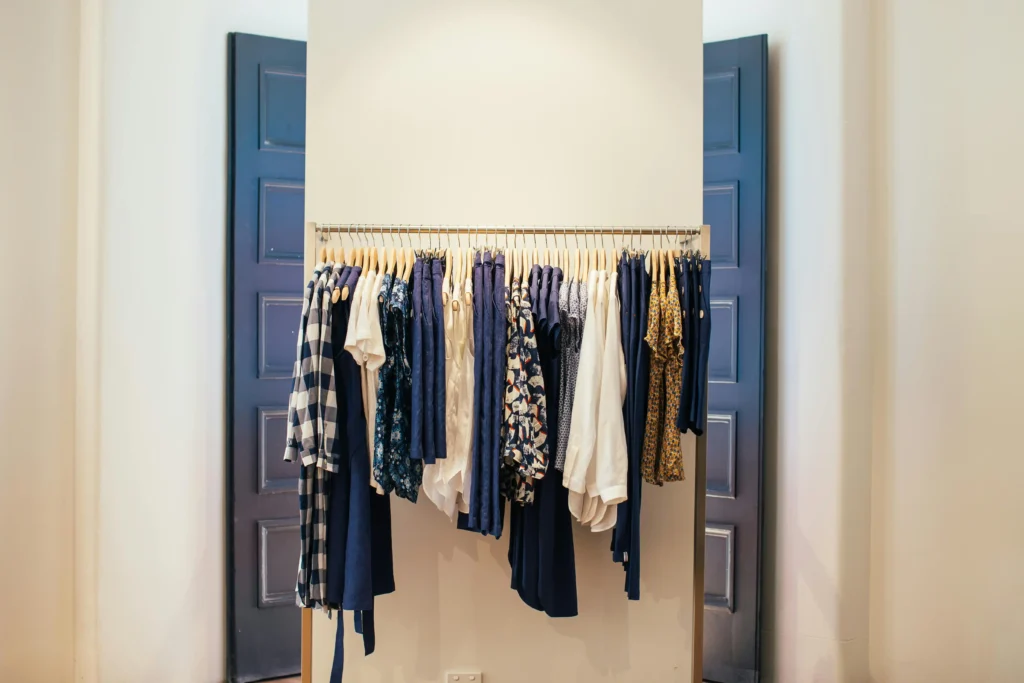
Protect clothes from damage
Dust, insects, moisture and poor folding can ruin good garments. Smart storage keeps clothing wearable, presentable and valuable for longer.
Best for: Sarees, suits, gowns, blazers, kurtas, sherwanis and heirloom pieces.
Free up your daily wardrobe
Move seasonal, sentimental and special-occasion pieces out of daily closet space so your everyday dressing becomes faster and calmer.
Best for: Small apartments, PG rooms, Mumbai homes and compact wardrobes.
10 everyday clothing storage ideas for Indian wardrobes
These affordable clothing storage ideas help extend garment life while reducing daily chaos. Use them at home, or combine them with secure external storage for bulky and high-value pieces.
Cedar blocks or lavender sachets
Natural repellents help protect clothes from moths and musty smells without harsh chemicals.
Best for: Woollens, silk, sarees, shawls and storage boxes.
Breathable garment bags
Use cotton or acid-free garment bags for suits, dresses, lehengas and delicate pieces. Avoid trapping moisture in plastic covers.
Best for: Blazers, gowns, lehengas, dresses and structured garments.
Shelf dividers by category
Keep folded stacks neat by garment type, colour, frequency of use or occasion. This makes daily dressing easier.
Best for: T-shirts, kurtas, jeans, scarves, activewear and casualwear.
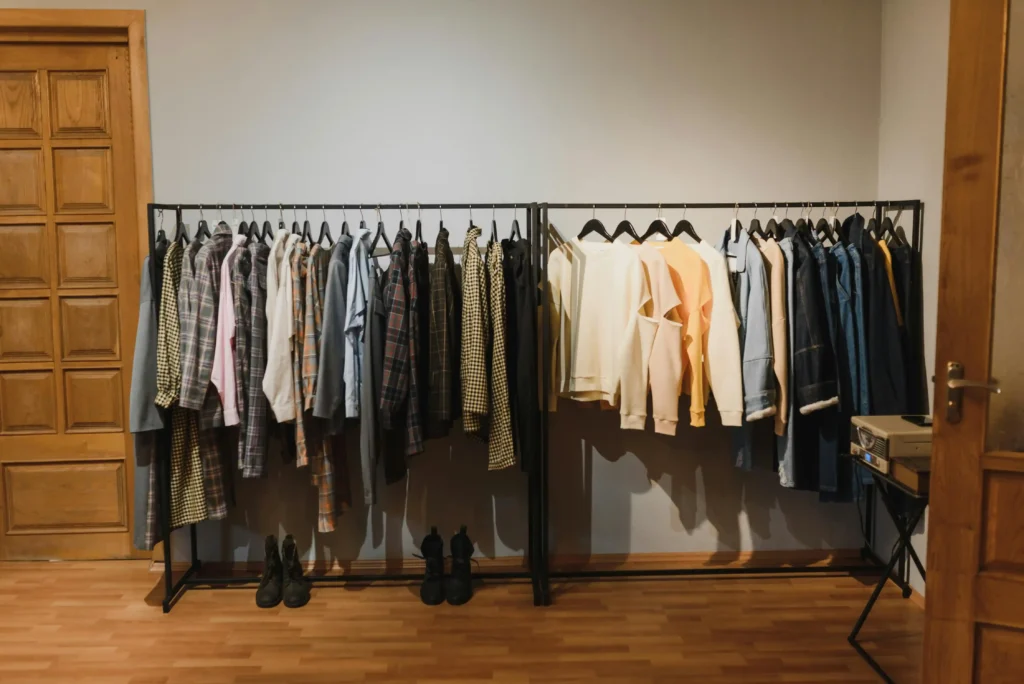
Hanging organisers for accessories
Use door or rod organisers for scarves, belts, jewellery, pocket squares and small styling pieces.
Best for: Accessories that disappear when stored loosely in drawers.

Vacuum-seal bags for off-season bulk
Compress winterwear, jackets, blankets and bulky clothes safely when you do not need them for months.
Best for: Woollens, winter jackets and travel or seasonal rotation.
Pull-out drawers with dividers
Use drawers with compartments for delicates, innerwear, socks, scarves and jewellery so nothing tangles or gets lost.
Best for: Small garments and daily-use wardrobe essentials.
Custom wardrobe zones
Divide your wardrobe into daily wear, workwear, festivewear, rental-ready pieces and storage-only items.
Best for: People with mixed wardrobes and frequent occasion dressing.
Fold knits, hang structured pieces
Fold heavy knits flat to avoid stretching and hang structured garments on proper hangers to maintain shape.
Best for: Sweaters, blazers, suits, silk pieces and premium garments.
Seasonal rotation system
Pack winterwear, heavy festivewear and travel capsules by season so daily wardrobes stay light.
Best for: Mumbai apartments, small homes, PG life and compact closets.
Sustainable storage choices
Choose bamboo hangers, recycled fabric bags, cotton dust covers and upcycled organisers where possible.
Best for: Circular fashion wardrobes and low-waste homes.
Why investing in quality storage units is worthwhile
Quality storage is not only for extra space. It is for preservation. Poor storage exposes clothes to dust, moisture, pests, crushing, sunlight and misplacement. Good storage protects both monetary and emotional value.
Material preservation
Climate-aware storage protects clothes from humidity, heat, dust and insects.
Value retention
Well-preserved couture, vintage and festive pieces keep resale or rental potential.
Space saving
Daily closets stay usable when seasonal and occasional pieces move out.
Inventory clarity
Organised storage prevents duplicate buying and forgotten garments.
Storage rules by garment type
| Garment type | Best storage method | Why it works |
|---|---|---|
| Sarees and dupattas | Fold in breathable cotton bags with moisture control | Prevents fading, dampness and dust damage. |
| Blazers and suits | Hang on shaped hangers inside garment bags | Preserves shoulder shape and structure. |
| Lehengas and gowns | Store in breathable covers, avoid crushing embellishments | Protects embroidery, volume and fabric fall. |
| Knits and sweaters | Fold flat with cedar or lavender sachets | Prevents stretching and moth damage. |
| Seasonal bulk | External storage or labelled compression bags | Saves daily wardrobe space and keeps clothes findable. |
| Trend-led occasionwear | Rent instead of buying | Avoids adding more low-use pieces to storage. |
Store your favourites. Rent the trends.
Smart storage is not just about keeping more clothes. It is about keeping the right clothes in better condition. Store timeless, sentimental and high-value pieces properly — and rent trend-led outfits from CostumePeti when you need a fresh look for weddings, parties, shoots or festive occasions.
FAQs
What is the best way to store unused clothes?
The best way is to clean clothes first, sort them by use and value, then store them in breathable garment bags, labelled boxes or secure self-storage. Avoid damp spaces, plastic covers for delicate fabrics and overcrowded shelves.
How to store clothes and keep them fresh?
Use dry, ventilated storage, breathable covers, silica packets for moisture control and cedar or lavender sachets for freshness. Air stored clothes occasionally and avoid direct sunlight for delicate fabrics.
How do I store seasonal clothes during monsoons?
Pack woollens, heavy lehengas and seasonal garments in clean breathable bags with silica packs. Keep them elevated from the floor and away from damp walls. For bulky seasonal storage, use secure external storage.
What is the first step in treating wardrobe like assets?
Start with decluttering and inventory. Pull everything out, keep only what you love or use, identify high-value pieces, donate or sell what no longer serves you, and create a storage plan for the rest.
How to store clothes without closet space?
Use under-bed boxes, hanging organisers, vacuum bags for seasonal bulk, wall-mounted storage, labelled bins or external storage. For future occasional outfits, rent instead of buying more clothes that need storage.
Leave a Reply
You must be logged in to post a comment.