
6 proven ways of wardrobe monetisation: turn idle clothes into earning assets
Your wardrobe is not just fabric. It is capital sitting in hangers, boxes and garment covers. This guide shows six practical ways to monetise unused clothes in Mumbai — from renting occasion wear and reselling garments to consignment, social selling, swaps and strategic donation.
Why your wardrobe should be treated like an asset
Open your wardrobe right now. Chances are, many pieces have not been worn in over a year: a lehenga from a cousin’s wedding, a blazer bought for one client meeting, a designer kurta still with tags, or a saree stored for “some day”.
Wardrobe monetisation means converting unused or underused clothing into income or value. For Mumbai, where closets are small and occasion dressing is expensive, this is not just a sustainability idea — it is a practical financial habit.
Earn from idle clothes
Rent, resell or consign pieces that are currently doing nothing in your cupboard.
Repeat value
A rented garment can earn multiple times while still remaining yours.
Free wardrobe space
Move out clothes you no longer wear and keep only high-use favourites.
Support circular fashion
More reuse means less pressure on new production and one-time buying.
What this guide covers
6 ways of wardrobe monetisation
Not every garment should be handled the same way. Some pieces are rent-ready, some are resale-ready, some are better for consignment, and some should be swapped or donated strategically.
Rent your wardrobe
Best for premium occasion wear that people want to access but may not want to buy.
Resell garments
Best for clothes you are ready to part with permanently.
Consign with stores
Best when you want someone else to manage sale, pricing and buyers.
Use social channels
Best for direct peer-to-peer selling or renting through Instagram, WhatsApp and groups.
Host swaps or sales
Best for community-based wardrobe refreshes and local cash sales.
Donate strategically
Best for items unsuitable for rental or resale but still useful for exchange or donation.
Way #1: rent your wardrobe through a fashion rental platform
The most powerful form of wardrobe monetisation is renting out your clothes rather than selling them. When you sell a garment, you receive money once and the item is gone. When you rent your wardrobe, a single piece can generate income multiple times.
Ethnic wear, designer occasionwear and wedding-adjacent pieces perform especially well because they are expensive, rarely repeated and always in demand. Think lehengas, sherwanis, sarees, gowns, blazers, anarkalis and Indo-western sets.

Rent high-value occasion wear
List garments that are beautiful, expensive and underused. A wedding lehenga or designer sherwani can earn multiple times across seasons.
Best for: Lehengas, sherwanis, gowns, sarees, designer kurtas and statement dupattas.
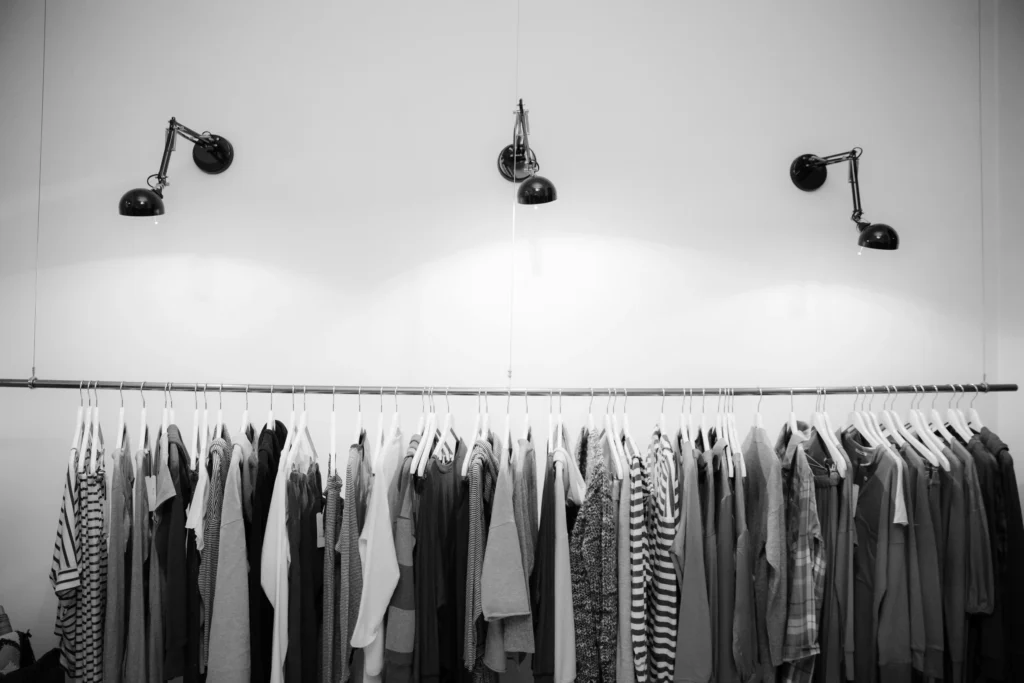
What garments rent best?
Occasion wear consistently performs better because renters need the look for a specific event but do not want to buy or store it permanently.
Best for: Wedding outfits, formalwear, designer westernwear, accessories and festive pieces.
Ways #2 to #6: resale, consignment, social selling, swaps and strategic donation
Renting is the strongest route for recurring income, but it is not the only route. Garments that do not suit rental may still create value through resale, consignment, social channels, community swaps or donation-linked benefits.
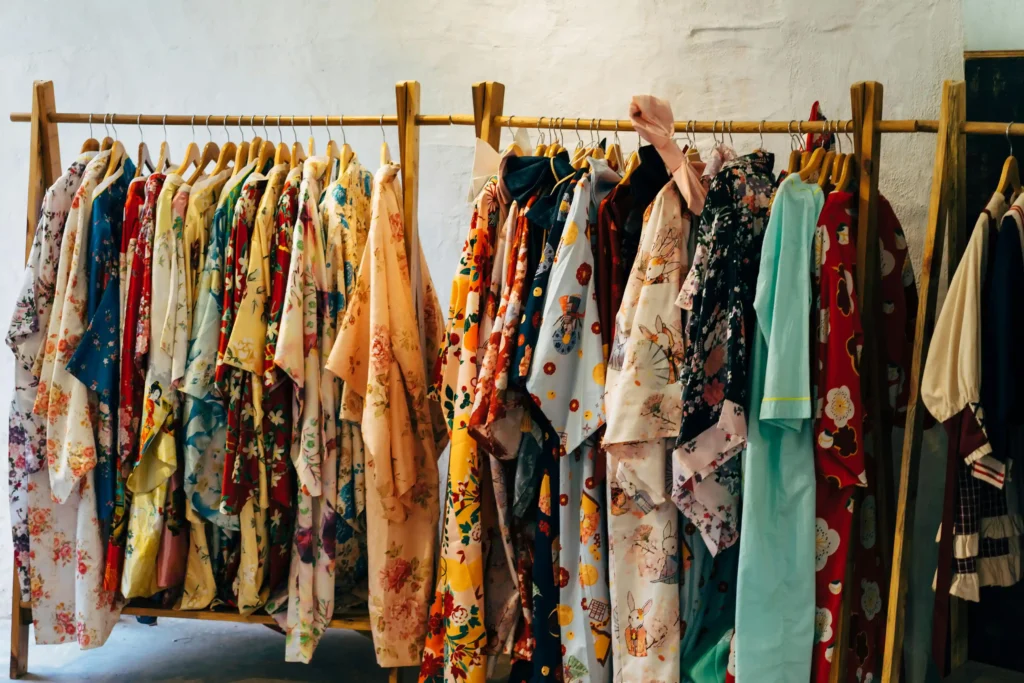
Resell on fashion recommerce platforms
Resale works when you are ready to part with a garment permanently. The best returns come from good photos, honest condition notes and recognisable brands.
Best for: Branded westernwear, vintage pieces, barely worn occasionwear and unique statement looks.
Consign clothes with a curated store
Consignment is wardrobe monetisation on autopilot. You hand over garments and the store manages pricing, buyers and sale in exchange for a percentage.
Best for: Recognisable brands, premium ethnicwear, clean condition pieces and unique designer styles.

Use Instagram, WhatsApp and communities
Peer-to-peer wardrobe monetisation works well when you already have a local network. Reels, Stories and WhatsApp catalogues can showcase fabric, movement and condition.
Best for: Local Mumbai rentals, quick sales, community buyers and niche style groups.
Organise a wardrobe swap or community sale
Swaps convert unwanted garments into wanted ones. A building society sale or friends’ swap can refresh your wardrobe at low cost while clearing idle pieces.
Best for: Everyday clothes, accessories, barely used pieces and community wardrobe refreshes.

Donate strategically or use exchange programmes
Not every item can be rented or sold. Older clothes may still create value through exchange vouchers, donation routes or responsible disposal.
Best for: Lower-value garments, worn items, everyday clothes and pieces outside rental condition.
Sort your wardrobe before choosing a route
Divide clothes into rent-ready, resale-ready, consignment-ready, swap-ready and donation-ready. Different garments need different strategies.
Best for: Anyone starting wardrobe monetisation for the first time.
How Vault’s Space Bazaar helps you rent your wardrobe and earn in Mumbai
Of all wardrobe monetisation strategies, renting through a trusted platform gives the best mix of income, simplicity and garment preservation. For Mumbai residents, Vault’s Space Bazaar is built for exactly this purpose.
Space Bazaar connects garment owners with people actively seeking occasionwear, designer pieces, quality garments and event-ready looks. You retain ownership while your garments earn whenever they are rented.
Assessment
Your garments are reviewed for rental potential, condition, category and demand.
Photography
Good photos help renters understand fabric, colour, fit and occasion suitability.
Listing
Pieces are made available to renters looking for occasionwear in Mumbai.
Earning
Your garment earns whenever it is rented, while ownership remains with you.
What clothes earn best through wardrobe monetisation?
The best wardrobe monetisation candidates usually have strong occasion value, high original purchase cost, good condition, recognisable design and low repeat usage by the owner.
| Category | Best route | Why it works |
|---|---|---|
| Lehengas | Rental | High occasion demand, expensive to buy, rarely repeated. |
| Sherwanis | Rental | Strong wedding demand and low regular use. |
| Designer sarees | Rental or resale | Recognisable value, festive appeal and repeatable styling. |
| Gowns | Rental or consignment | Useful for cocktail, reception, gala and photoshoot events. |
| Blazers | Rental or resale | Good for work events, parties, formalwear and styling rotation. |
| Statement accessories | Rental or sale | Easy to ship, easy to style and useful across occasions. |
Pro tips to maximise your wardrobe monetisation returns
Good monetisation is not only about listing clothes. Presentation, timing, pricing and garment care directly affect what you can earn.
Audit before you act
Sort garments into rent-ready, resale-ready, discard, donate and keep categories.
Photograph properly
Use natural light, clean backgrounds, full-length photos and close-ups of work or defects.
Price based on market
Do not price only by sentiment. Check comparable rentals or resale listings first.
Maintain garments
Clean, repair and store properly so pieces keep earning over multiple cycles.
Think seasonally
List wedding and festive pieces before October-February to capture peak demand.
Start with premium pieces
Begin with garments that are high-value, occasion-led and in excellent condition.
Your wardrobe is an asset — start treating it like one
The clothes hanging in your wardrobe are not just fabric. They are capital: invested, stored and waiting to be deployed. Whether you rent, resell, consign or swap, the principle is simple: every unworn garment is a missed earning opportunity.
Vault’s Space Bazaar makes the most rewarding form of wardrobe monetisation — renting your wardrobe — simpler for Mumbai garment owners. List your pieces, earn when they are worn, and let your wardrobe work as hard as you do.
FAQs
What is wardrobe monetisation?
Wardrobe monetisation is the practice of generating income or value from clothes and accessories you own but do not wear regularly. Common methods include renting, reselling, consigning, swapping and strategic donation.
How do I rent my wardrobe in Mumbai?
The simplest route is to list your garments with a platform such as Vault’s Space Bazaar. Your garments can then be assessed, listed and rented by people looking for occasionwear in Mumbai.
Which clothes earn the most through wardrobe monetisation?
Occasion wear usually earns the most: lehengas, sherwanis, sarees, gowns, designer kurtas, formal Indo-western sets and premium accessories. These pieces are expensive to buy and often needed only for one event.
Is renting out clothes safe?
Renting through a structured platform is safer than informal peer-to-peer renting because platforms can define rental terms, deposits, garment handling and return processes. Always check the platform’s owner policies before listing.
How much can I earn by renting out my wardrobe?
Earnings vary by garment value, condition, demand and number of rental cycles. A high-quality occasion piece can earn repeatedly across wedding and festive seasons if it is well maintained and priced correctly.
Leave a Reply
You must be logged in to post a comment.